
For years, the UAE’s relationship with gambling was defined by a simple reality: it existed, but only in the shadows — offshore apps, VPN workarounds, informal betting rings, and the kind of “everyone knows it happens” ecosystem that thrives precisely because it is not regulated.
That era just took a sharp turn.
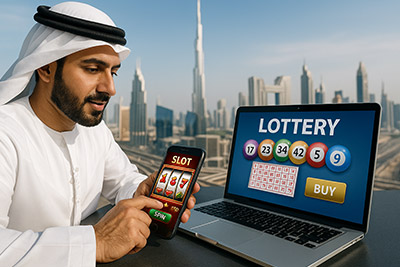
In mid-December 2025, Play971 went live as the UAE’s first GCGRA-licensed online sports wagering and internet gaming platform, marking the country’s most concrete step yet from prohibition-by-default to permission-by-regulation.
This isn’t a cosmetic change. It’s a structural one — the creation of an onshore, licensed channel for real-money online wagering inside the UAE, backed by a federal regulator whose mandate is explicitly to license and supervise “commercial gaming” across categories like lottery, internet gaming, sports wagering, and land-based gaming facilities.
What launched — and who’s behind it
Play971 is licensed by the General Commercial Gaming Regulatory Authority (GCGRA), and is operated by Coin Technology Projects LLC, an Abu Dhabi-incorporated company with its principal place of business listed at twofour54, Yas Creative Hub.
Industry reporting also links the platform’s early build-out to the UAE’s lottery ecosystem, signalling a strategy that starts with controlled, state-supervised digital gaming before the market broadens.
Gulf News describes Play971 as the first fully licensed online gaming and sports wagering platform under the regulator’s framework, and notes it was the 19th licence issued since the GCGRA’s creation in September 2023—an important data point because it shows this was not a spontaneous pivot, but a planned rollout.
The rules are the story: how the UAE is fencing this in
If you want to understand the UAE’s approach, don’t start with the betting markets — start with the restrictions. They are unusually explicit.
According to Gulf News’ breakdown of Play971’s terms and operating conditions:
-
Minimum age is 21 to register, deposit, or bet.
-
Users must be physically located inside the UAE while using the platform.
-
Access is blocked in “sensitive geographic areas” inside the country (defined by the regulator).
-
The platform bans VPNs and location-masking tools, and warns that winnings may not be paid if users breach location rules.
-
Identity verification is stringent: Emirates ID is described as mandatory for KYC, with other documents not accepted for verification in that report.
This is the UAE model in a nutshell: legalise a channel — then engineer it to be traceable, geofenced, and enforceable.
And that’s not just about public optics. It’s about control:
-
control over who participates,
-
where they participate,
-
how money moves,
-
and which operators get to exist.
Even the messaging is clear: unlicensed gaming remains illegal, meaning the licensing system isn’t a softening — it’s a line in the sand.
Why this matters for Dubai, specifically
Dubai is the UAE’s global tourism and entertainment engine, so even though the first licensed online operator is tied to Abu Dhabi infrastructure, the implications land loudly in Dubai.
Three Dubai-relevant impacts are already visible:
1) Enforcement becomes more credible
Once there’s a legal onshore option, the state can more aggressively treat offshore alternatives as unnecessary and non-compliant. That typically leads to sharper enforcement against unlicensed operators and payment pathways.
2) The “regulated leisure” template expands
Dubai already runs on regulated leisure: alcohol licensing, designated venues, controlled exceptions. This online rollout fits the same governing style — not permissive, but curated.
3) It sets expectations ahead of the resort-casino era
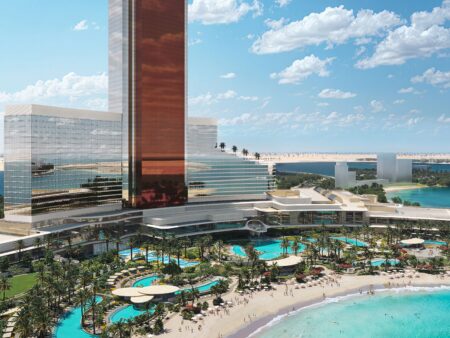
The UAE’s land-based casino future is anchored (so far) by Ras Al Khaimah’s Wynn project, but Dubai is part of every serious conversation about scale, tourism, and integrated resorts. The Financial Times has framed the broader UAE push as a cautious but deliberate diversification play—one that could take years to fully unfold.
The regulator behind it: built for credibility, not speed
The GCGRA was established by federal decree and is headquartered in Abu Dhabi, with exclusive jurisdiction over commercial gaming regulation, licensing, and supervision.
It’s also worth noting the timing: the authority has gone through leadership transition as it moves from “framework-building” into operational enforcement, with Jim Murren stepping in as interim CEO after Kevin Mullally stepped down (reported November 2025).
That matters because markets like this don’t live or die on launch day — they live or die on compliance, controls, and consistency.
The tension the UAE is trying to balance
This launch is not the UAE “embracing gambling” in the way Western markets might frame it. It’s the UAE doing what it often does: acknowledging demand, then regulating it into a shape the state can accept.
The tension is obvious:
-
cultural and religious sensitivity vs. economic diversification,
-
private behaviour vs. public policy,
-
tourism competitiveness vs. social guardrails.
Some coverage has even described the rollout as “quiet,” reflecting how carefully the change is being managed in public messaging.
What happens next (watch these signals)
If you’re tracking where this goes, the next tells won’t be slogans — they’ll be operational signals:
-
More licenses (operators, suppliers, payment providers) appearing on official lists and in local reporting.
-
Clearer emirate-level positioning, particularly around what “additional requirements” might apply to UAE nationals and how “sensitive geographic areas” are defined in practice.
-
Public enforcement stories (shutdowns, payment blocks, prosecutions) that usually follow once a regulated alternative is established.